
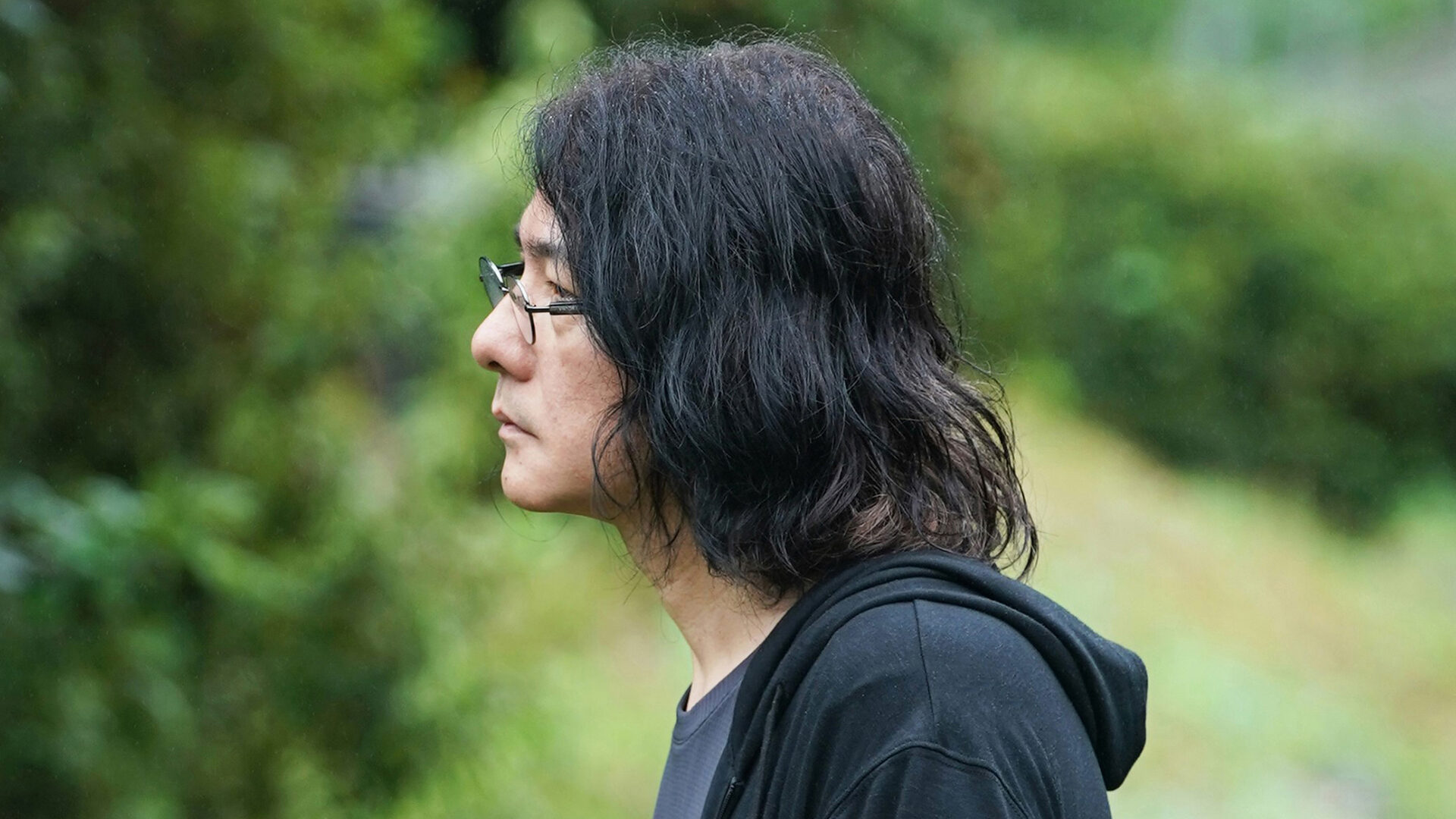
July 1-25, 2026
The Cinematheque (1131 Howe Street, Vancouver, BC)
This July at The Cinematheque, “Immersed in the Ether” offers a rare chance to theatrically revisit highlights in IWAI Shunji’s career, all of them still carrying the shock of something new. The series features a new restoration of Love Letter introduced by Iwai and marks the 25th anniversary of All About Lily Chou-Chou.
Supported by the Japan Foundation, Toronto.
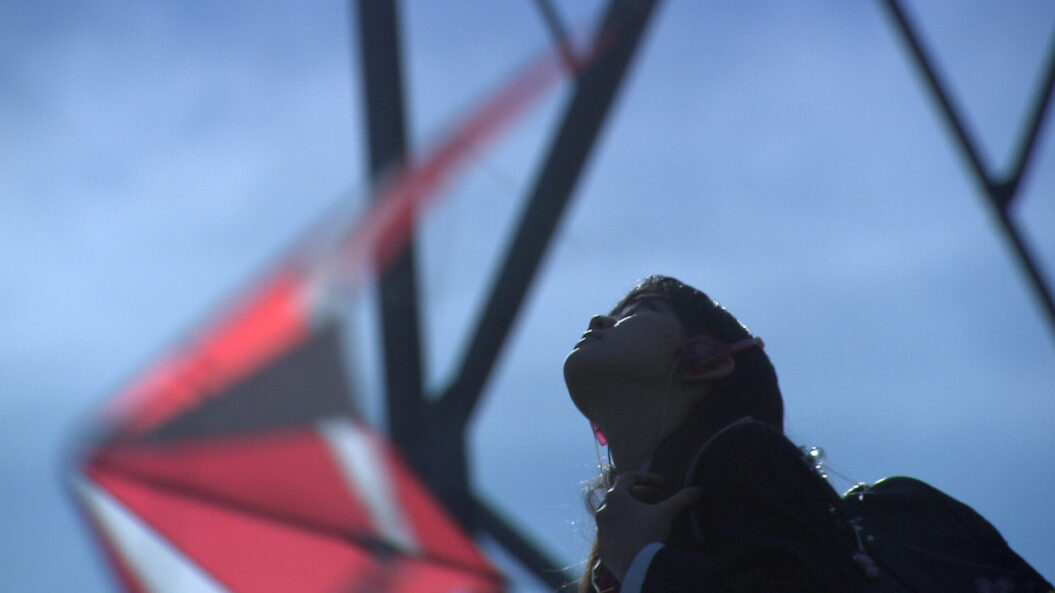
All About Lily Chou-Chou
リリイ・シュシュのすべて
No one has captured the volatility of virtual friendship quite like IWAI Shunji. With unflinching and sometimes brutal clarity, his breakthrough digital epic captures the teen tendency to switch allegiances or mask intentions as seen through the new world of online personae, which develop among young members of an internet chat group devoted to fictional pop artist Lily Chou-Chou. Vocalist Salyu fills the soundtrack as “Lily,” whose audio presence sutures the sharp edges of the movie’s aggressive jump cuts—within scenes of school bullying, misogynist threats, and depressive isolation—and across time and locales, as the film shifts between summer in Okinawa and schooling in Ashikaga. Iwai, who also edits, says that the film is partly based on the unforgettable experience of witnessing bullying in school and, later, in the film industry: “The worse your experience has been, the bluer the sky looks. There’s a lot of that in All About Lily Chou-Chou.”
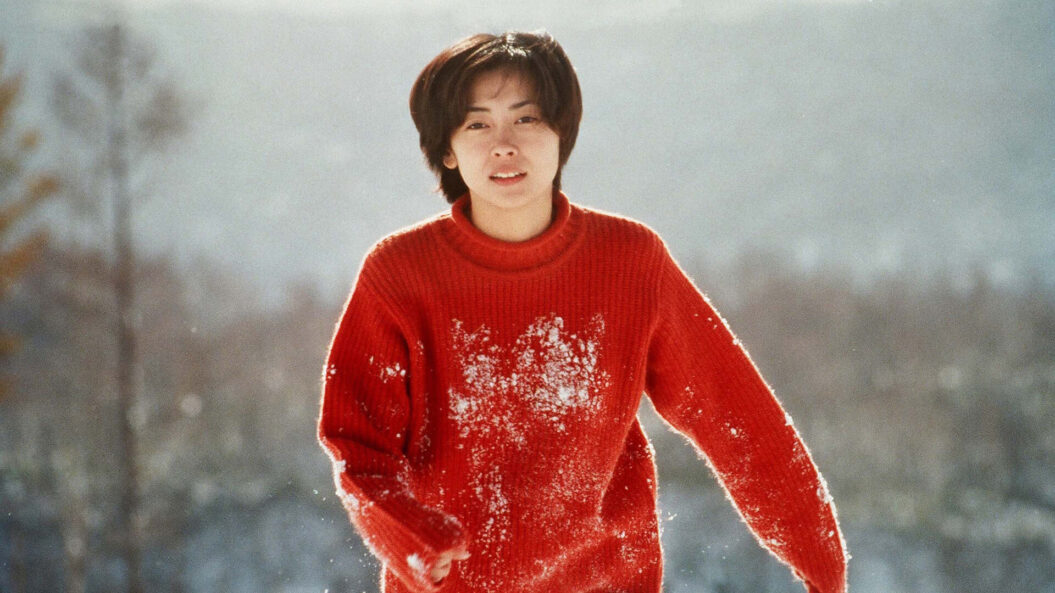
Love Letter
ラブレター
Love Letter will be preceded by a video introduction from director IWAI Shunji.
IWAI Shunji’s feature debut is still, to many, his most perfect film, one infused with both classical and ’90s-specific ideas of melodrama, and a tonal range that capably switches between haunted seriousness and flickers of lively comedy. Idol singer NAKAYAMA Miho plays dual roles. As Hiroko, she enters the plot still mourning her dead fiancée, killed in a mountain-climbing accident. When, as a private act of desperate remembrance, she mails a letter to his old address, she receives a reply from Itsuki, who shares her deceased lover’s gender-neutral name and is also played by Nakayama. The forking-path narrative that unfolds is too subtle to be simply called a J‑drama by way of Krzysztof Kieślowski, but is just as full of magical and coincidental reverie as that pitch suggests. Originally conceived as a black-and-white Ozu-influenced drama, by the time cameras rolled Iwai found his own voice, one enhanced by HORIKAWA Reimi’s heartbreaking score and SHINODA Noboru’s winter-set cinematography.
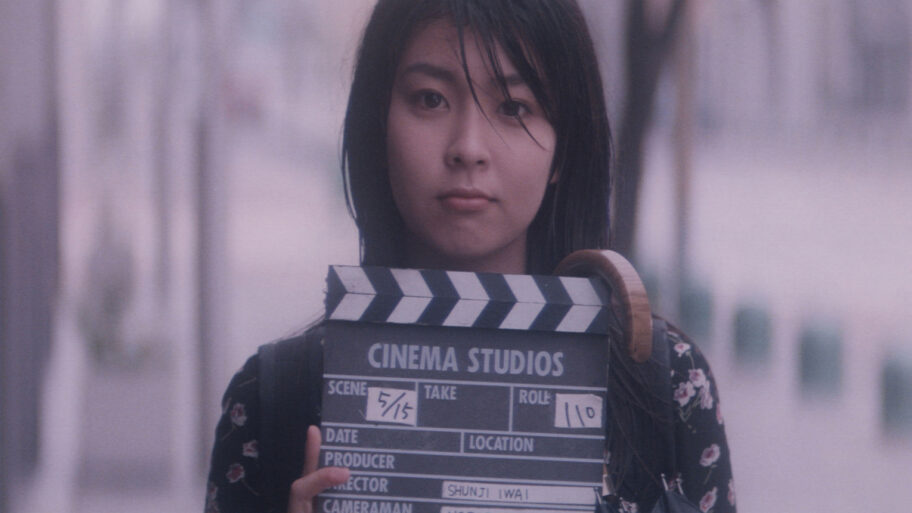
April Story
四月物語
Between his wildly ambitious Swallowtail Butterfly and All About Lily Chou-Chou, IWAI Shunji made a wondrous film—just barely over an hour—that builds an entire world without any genre revision or tragic violence. Love Letter was set in Hokkaido; in April Story, protagonist Uzuki (MATSU Takako) leaves that northern province to head far south to Tokyo for university. The film is idyllically set during cherry blossom season, but its development tracks the smallest slights and anxieties as Uzuki becomes independently responsible for her own life, be it figuring out how to make friendships or where to spend free time. The communal space in which she takes refuge is a bookshop; it’s no coincidence that the film at times resembles a short story or light novel. But above all, this experiment in single point of view is his fullest homage to SOMAI Shinji, this being a film about the speed at which a young person moves—one that happens to transform when a torrential rainstorm arrives.
© 1998 ROCKWELL EYES INC.
Hana & Alice
花とアリス
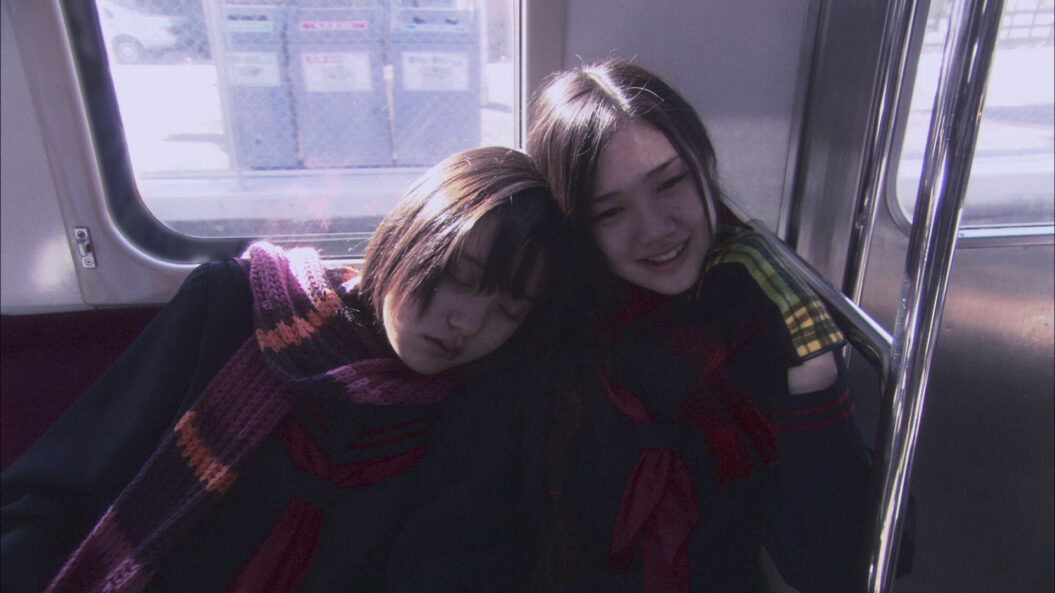
The complications of IWAI Shunji’s modern melodramas always start with small acts of invention: letters, web posts, and romanticized white lies. Picking an improvised crush out of a morning commuter-train crowd, Alice (AOI Yu) and Hana (SUZUKI Anne) unintentionally threaten their close friendship by suggesting what it might be like for a man to enter their lives. Hana takes the prompt seriously, telling fellow student Masashi that he is suffering from amnesia—and is in love with her. As in a silent film comedy, the story is implanted, takes root, and grows into a domino effect of additional lies, card tricks, comical confusions, and, in Iwai’s unique touch, tangential plotlines of beauty and heartbreak. It’s a mark of the director’s curiosity that he devotes as much time to the central plot as he does ballet rehearsals and moments of parental estrangement. Hana & Alice would be the final collaboration between Iwai and SHINODA Noboru before the cinematographer’s untimely death.
© 2004 Rockwell Eyes・H&A Project
The Case of Hana & Alice
花とアリス殺人事件
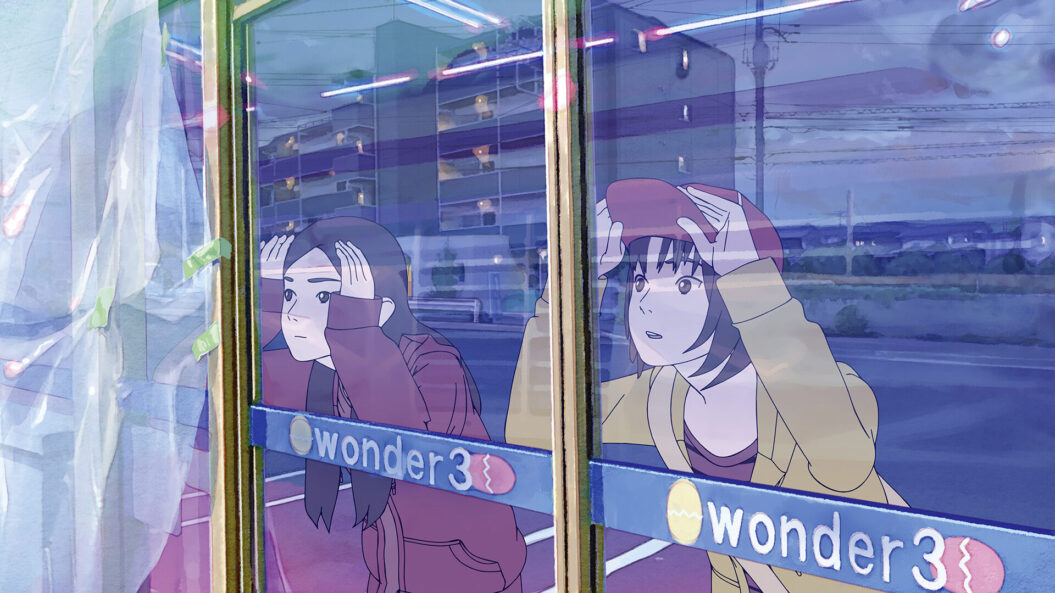
IWAI Shunji’s decade-long break from feature filmmaking in Japan ended with this bookend to Hana & Alice, his bittersweet and fantastical chronicle of friendship. The film, a work of rotoscope animation, is set as a prequel, but Iwai doesn’t simply mimic Hana & Alice’s breakneck elaborations or set up events we know will later take place. Instead he introduces a strong, almost paranoid tone of small-town superstition, which sets the two leads off on a (relatively harmless) detective hunt. Rotoscoping allows the decade-older cast (including leads AOI Yu and SUZUKI Anne) to reprise their roles, ballet performances included. While the film mostly shadows its young duo, capturing the moment they met, Iwai reserves some pathos for a supporting character in one of the most evocative reflections on mortality of his career, which can be seen as a meditation on time following the death of his collaborator SHINODA Noboru, as well as an homage to KUROSAWA Akira’s Ikiru.
