
June 19-29, 2026
The Cinematheque (1131 Howe Street, Vancouver, BC)
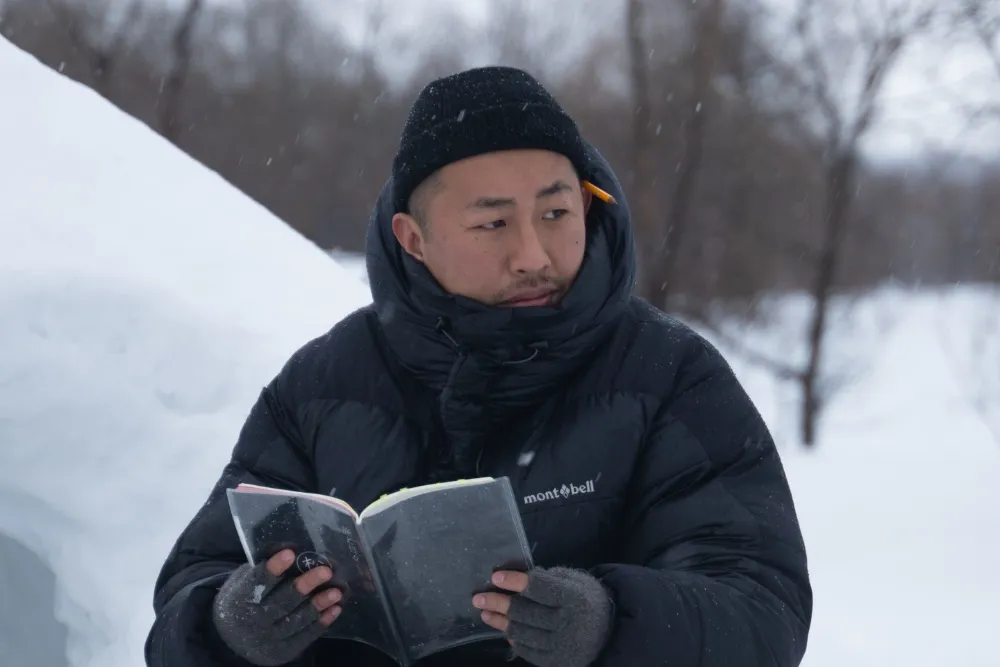
Of those figures leading a new generation of Japanese art cinema—think HAMAGUCHI Ryusuke, think HAYAKAWA Chie—Sapporo-born MIYAKE Sho (b. 1984) appears to be next in line for name recognition following his Golden Leopard win for Two Seasons, Two Strangers (2025). That his latest is also a New Directors/New Films 2026 selection is something of a misnomer: the director has been active since 2012, and his discovery stateside trails years of critical admiration at home. Indeed, each of Miyake’s last three pictures—Small, Slow But Steady (2022), All the Long Nights (2024), and Two Seasons—topped the prestigious Kinema Junpo poll of the year’s best Japanese films, yet North American distribution has, until recently, eluded him. The Cinematheque is proud to introduce Vancouver audiences to Miyake’s work with a program of those acclaimed films, all rendered in graceful minor keys.
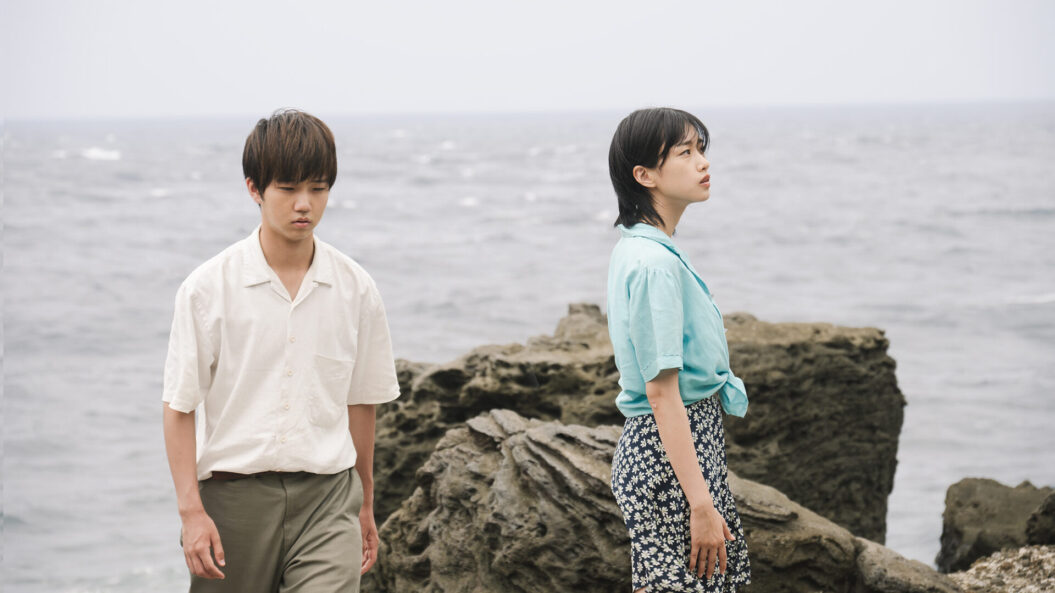
Two Seasons, Two Strangers (旅と日々)
Already a critics’ favourite in his native Japan, MIYAKE Sho should see his international following surge thanks to this Locarno-crowned adaptation of two manga by TSUGE Yoshiharu. That source material, a summer tale of seaside attraction and a winter sojourn at a secluded inn, becomes a delicate exploration of narrative invention in the supple hands of Miyake. Crucial to hinging his diptych together is Li (SHIM Eunkyung), a Korean screenwriter in Japan. What begins as a film (within the film) written by Li—one pregnant with romantic possibilities between two disaffected strangers—transforms into the story of the artist herself after the death of a mentor drives her into the mountains. There, a chilly reception by a forlorn innkeeper (TSUTSUMI Shinichi) gradually thaws into something else. As themes in the second scenario start resembling those in the first, questions of authorship—within the film and of the film itself—are subtly raised.
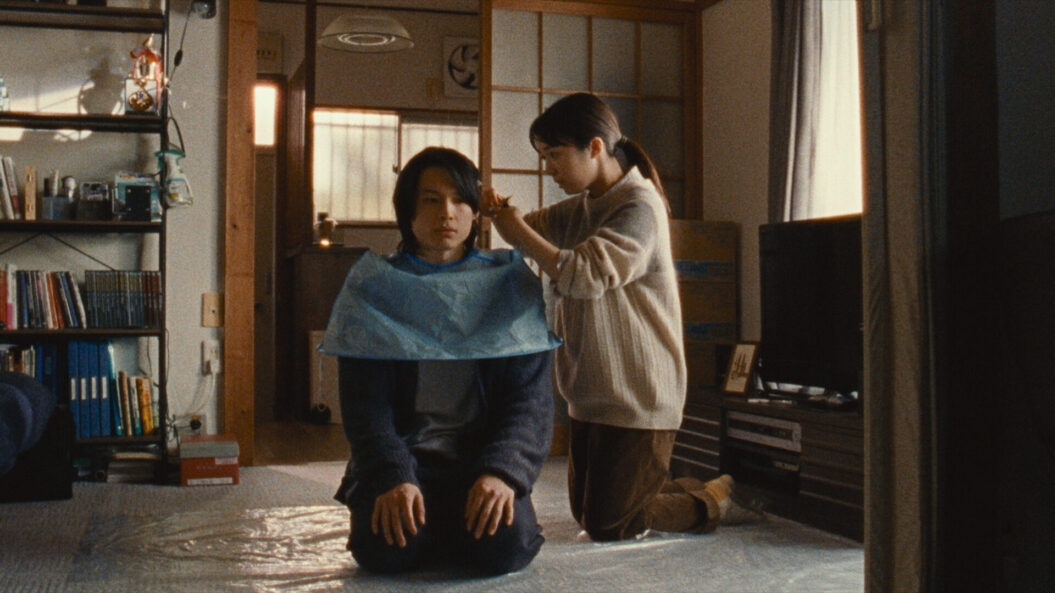
All the Long Nights (夜明けのすべて)
Two coworkers with socially isolating conditions discover a sense of belonging in All the Long Nights, a quiet drama that gathers its emotional resonance in small, calculated strides. Misa (KAMISHIRAISHI Mone, of Your Name) suffers from severe PMS, which can unravel her otherwise demure disposition with violent disregard for personal or professional company. Holding down a job assembling science kits for kids, she befriends Takatoshi (MATSUMURA Hokuto, of Suzume), a withdrawn colleague prone to debilitating panic attacks. Miyake, adapting a novel by SEO Maiko, choreographs the blossoming relationship with gentle humour and sensitivity while nimbly avoiding the pitfalls of a routine office picture. Far from being an incidental backdrop, the workplace emerges as a beacon of connection. The optimism might be on the sweeter side, but it’s a refreshing balm to the bitterness of so much else today.
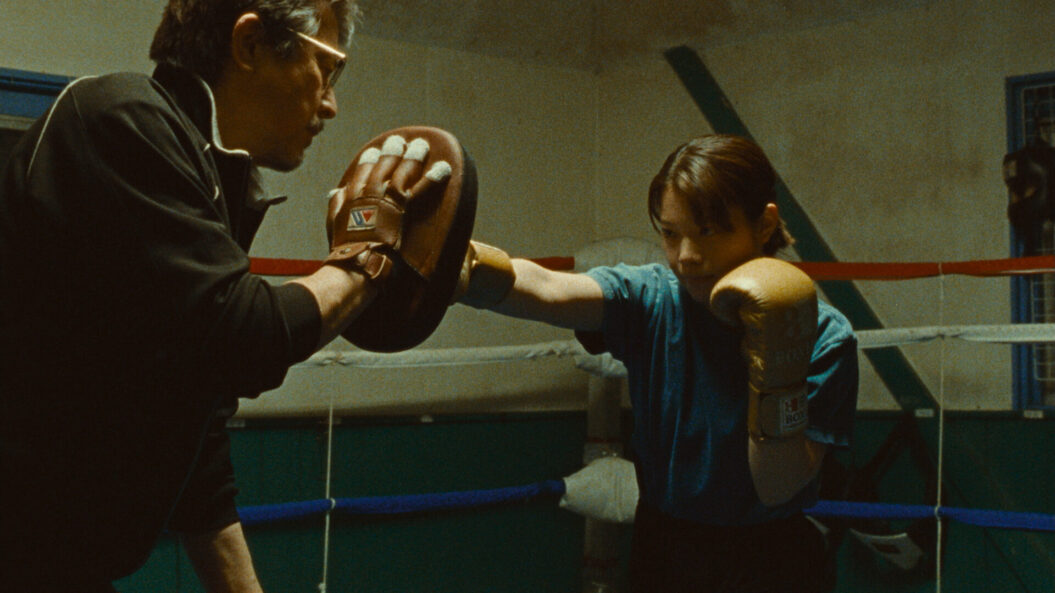
Small, Slow But Steady (ケイコ 目を澄ませて)
Drawn from the memoir of boxer OGASAWARA Keiko, MIYAKE Sho’s understated, COVID-set sports drama was a festival standout and a critical darling domestically, earning KISHII Yukino a Japanese Academy Award for her measured central performance. She portrays Keiko, a young, Deaf boxer whose Tokyo gym, the axis of her regimented world, is struggling to outlive the pandemic. Its closure would disrupt not merely her training but the closeness she shares with its owner (MIURA Tomokazu, Typhoon Club), a fatherly figure to the emotionally fortified athlete. Cliché though its ingredients may appear, Miyake’s underdog picture, shot on small-gauge 16mm, is almost subversively restrained in execution. Its most consequential conceit concerns not the ring at all but the representation of Keiko’s Deafness: rather than translating sign language uniformly, Miyake renders it as intertitles, subtitles, or sans translation completely, indicative of the relationship Keiko shares with the person.
